
- This event has passed.
How do we make room for artists and creative communities in future cities – and what do they contribute to vibrant neighbourhoods?
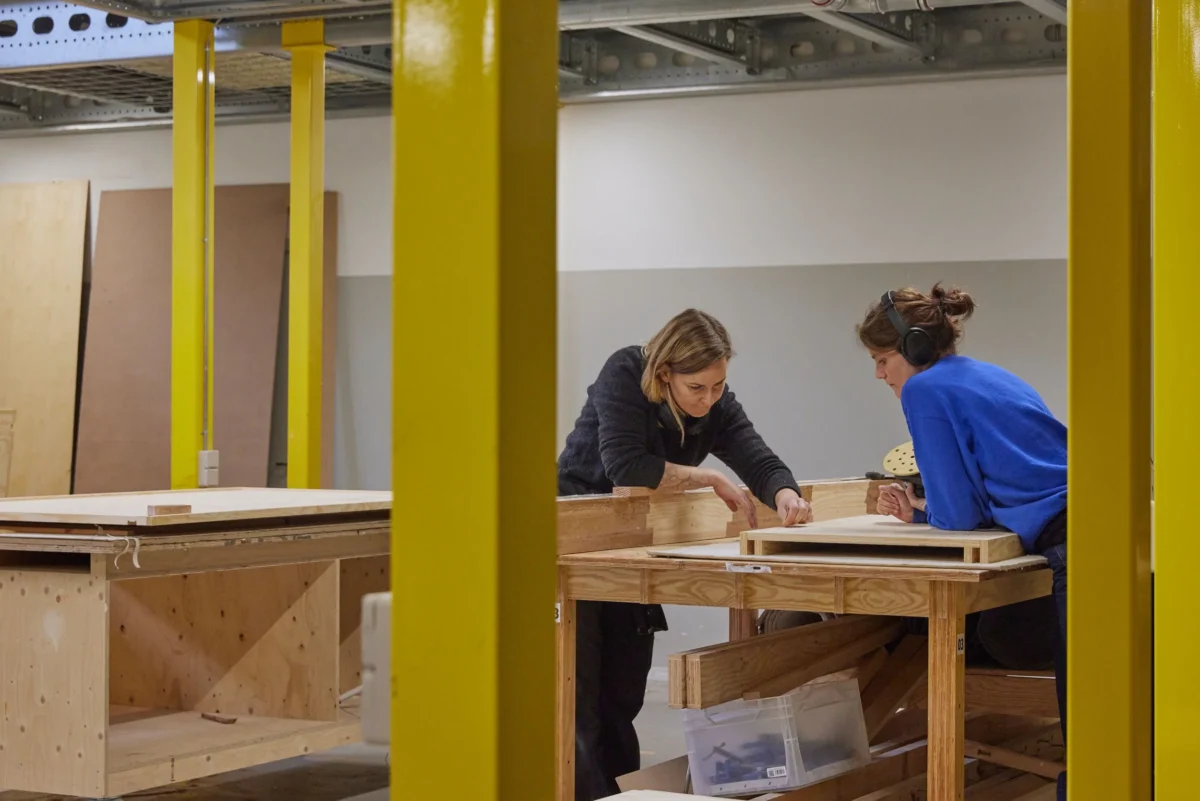
Byens Netværk, BLOXHUB and Copenhagen Creative Partnership invite you to the launch of the inspiration catalogue “Successful Creative Environments” – 12 cases from Denmark and Barcelona, developed by Lene Schaumburg (Copenhagen Creative Partnership / ZARK).
We’ll hear insights from four cases and close with a panel debate on creative placemaking and the mixed city – including what makes creative environments thrive, what challenges them, and where responsibility lies across municipalities, developers and creative actors.
Speakers: Frederik Næblerød • Mette Helena Rasmussen • Jette Flinch Nyrop • Lau Gotthard Christensen
Panel includes: Lene Schaumburg & Mads Monrad
Moderator: Lotte Christina Breengaard (BLOXHUB)
👉 Sign up Save Your Spot Here
(Session will be in Danish)
Full Programme
16.00
Welcome – Lisbet Fibiger, Byens Netværk
16.05
20 years of urban development: From workshop to value struggle – Lene Schaumburg, ZARK
16.15
The municipal perspective: Strategy, frameworks and responsibility – Mads Monrad, City of Copenhagen
16.30
Four cases from practice: When creative environments succeed, and when they are challenged
Frederik Næblerød, Visual Artist
Mette Helena Rasmussen, Kunstsalonen.com
Jette Flinch Nyrop, Municipality of Svendborg
Lau Gotthard Christensen, Trifolium
17.10
Cross-cutting learnings from the 12 cases – Lene Schaumburg, CCP/ZARK
17.20 Break
17.30
Panel debate: Can we plan our way to creative cities?
17.55
Key takeaways – Lotte Christina Breengaard
18.00
Thank you and goodbye – Lisbet Fibiger, Byens Netværk
Background
The catalogue builds on the analysis “The Creative City of the Future” (Copenhagen Creative Partnership and the Danish Institute for Cultural Analysis, 2024), which highlights a growing tension in urban development: rising rents, mono-functional neighbourhoods and increasing pressure on creative industries with limited ability to pay.
Drawing on practical experience, the catalogue asks:What does it take for creative environments to succeed? Who is responsible? And how can municipalities, developers, and creative actors work better together?
Developed with 12 very different creative communities – from temporary, citizen-led initiatives to larger, established cases – the catalogue shows how creative environments can strengthen local identity, urban life, and social cohesion, while helping counter standardisation and gentrification in new development areas.